Learn 3 Amazing 2 Player Card Games for Competitive Fun
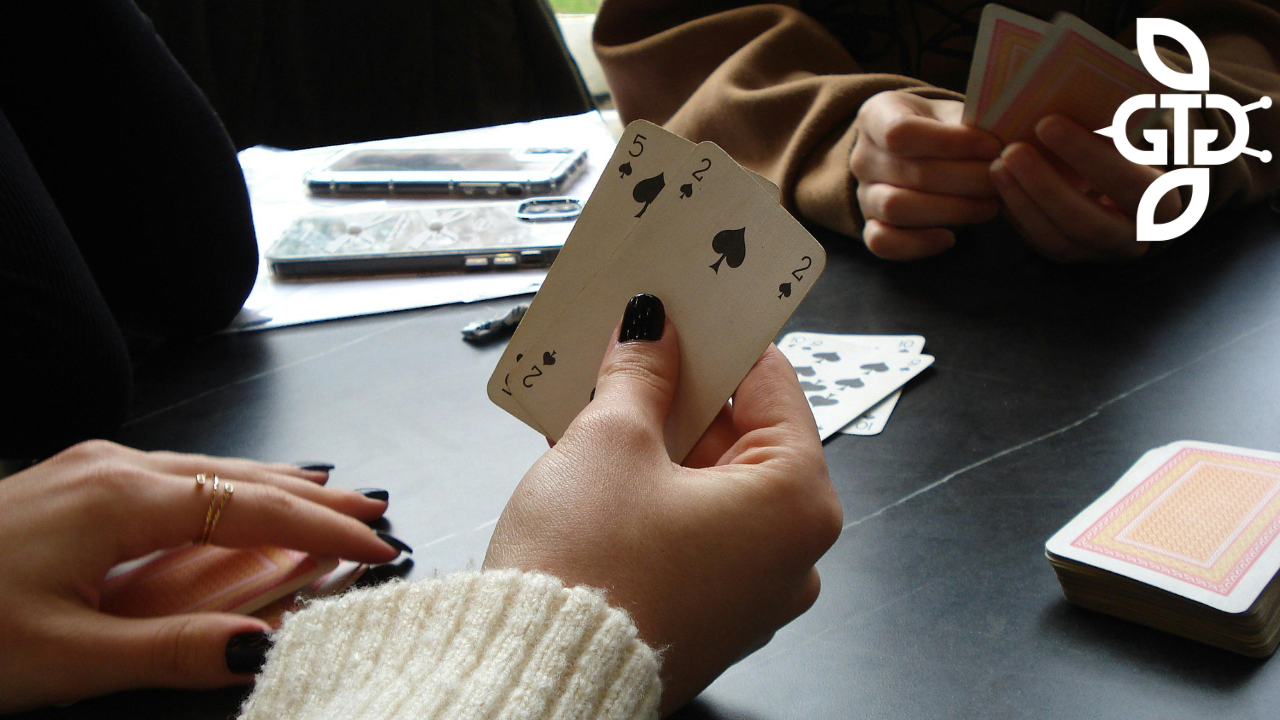
Card games have a certain magic about them. Shuffle a deck, and suddenly you're not just playing with paper and ink, you’re engaging in mental warfare, strategic thinking, and a whole lot of fun.
While board games often steal the spotlight, the world of two-player card games is an underrated goldmine of entertainment.
And if you're craving something more stimulating than a few rounds of Go Fish, you're in the right place.
These three amazing two-player card games will hit the sweet spot. We’re talking brainy, bold, and blisteringly fun.
No group needed. Just you, your favorite opponent, and a standard deck of cards (or two).
Let’s dive into the trio of titans: Game of Pure Strategy (GOPS), Gin Rummy, and Spite and Malice.
1. Game of Pure Strategy (GOPS): A Battle of Wits
What Is GOPS?
At first glance, Game of Pure Strategy, or GOPS, seems deceivingly simple. It’s minimalistic with no wild piles of cards and no flashy rules. But behind that simplicity is a psychological battleground.
GOPS is a game of bluff, prediction, and out thinking your opponent. It’s the kind of game that reveals whether you're a tactical genius or just lucky on Tuesdays.
What You Need
A standard 52-card deck and two players.
Setup
Before starting the game play, a deck of cards is sorted by suits. One suit is set aside and is not used in the game. Each player takes a full suit of cards. The last suit is shuffled, and the stack is placed face down in the middle. This stack is known as the prize cards.
How It Works
The top prize card is placed at stake.
Both players secretly choose one card from their bidding hand and place it face-down.
Reveal your choices at the same time.
The player who played the higher card wins the prize card.
In case of a tie, the prize card is discarded.
Repeat until all 13 prize cards have been claimed (or discarded).
At the end of the game, total the values of the prize cards each player won. The player with the highest total score wins.
Why You’ll Love It
There’s no luck involved once the hands are dealt. It’s purely about outfoxing your opponent.
Every round feels like a micro-duel.
There’s an addictive intensity to the guessing game.
Tips to Get Started
Don’t always throw your highest cards at high-value prizes. Your opponent is thinking the same thing. Bluff and bait them instead.
Consider card counting. What’s been played? What’s left? Start mentally tracking to outmaneuver your rival.
Great for quiet, strategic players who love the thrill of predicting human behavior.
2. Gin Rummy: Classic Elegance, Unmatched Fun
The Timeless Appeal
Gin Rummy is smooth, classic, and full of rhythm. First invented in the early 1900s, this game has never really gone out of style. That’s because it’s easy to learn, endlessly replayable, and has just the right mix of luck and strategy.
Gin Rummy is perfect for anyone who loves patterns, speed, and a little bit of drama when slapping down a perfect hand.
What You Need
A standard deck of 52 cards.
A notepad and pen (optional, but helpful for scoring).
Objective
Form melds: groups of cards either in sequences (like 5♣, 6♣, 7♣) or sets (like three 10s). The goal is to organize your hand and get rid of “deadwood” (unmatched cards) to go out before your opponent.
Setup
Deal 10 cards to each player.
Place the remaining deck in the center, facedown. Turn the top card face-up next to it to create the discard pile.
How to Play
On your turn, draw one card. Either from the facedown deck or the discard pile.
Discard one card.
Keep doing this, one turn at a time, aiming to create sets and sequences.
A round ends when one player "goes Gin" (forms all cards into valid melds and has zero deadwood) or “knocks” (ends the round with 10 points or less of deadwood).
Scoring
Going Gin: The player scores 25 bonus points plus the total of the opponent’s deadwood.
Knocking: The knocking player scores the difference between the opponent’s deadwood and their own.
If the opponent has less deadwood, they “undercut” the knocker and score a 10-point bonus plus the point difference.
The game is usually played to 100 points, but you can agree on any point target.
Why It’s a Must-Play
Gin Rummy balances strategy, memory, and a dash of intuition.
It’s fast-paced once you get the hang of it. Perfect for multiple rounds.
There’s a wonderful thrill in calling "Gin!" and watching your opponent groan.
Beginner Pro Tips
Don’t hold onto high-value cards too long. They’ll cost you big in deadwood points.
Pay attention to what your opponent is picking up and discarding. It tells a story.
Play fast and don’t overthink every move. The tempo is part of the fun!
3. Spite and Malice: The Frenemy Showdown
The Name Says It All
Also known as Cat and Mouse, Spite and Malice is a competitive, slightly aggressive card game where you’ll try to sabotage your opponent while racing to empty your personal stockpile.
This game is part strategy, part luck, and a whole lot of “gotcha!” moments.
What You Need
Two decks of 52 cards and two players.
The Objective
Be the first to play all the cards from your personal stockpile.
It sounds simple. But your opponent is trying to do the same while blocking you, setting traps, and stealing your momentum.
Setting Up
Each player receives a stockpile of 20 cards, dealt face-down. The top card is flipped face-up.
The remaining cards are shared as a draw pile.
Each player draws five cards into their hand.
Shared center: players build up to four build piles starting from Ace to Queen in sequential order.
How to Play
On your turn:
Draw cards (if you have fewer than five).
Use cards from your hand, your stockpile, or your side piles to play onto the center build piles.
You can only play in sequence (A, 2, 3... Q).
Kings are wild and can fill in any missing number.
When you can’t play anymore, discard one card into one of your four personal discard piles.
You can use cards from your discard piles and stockpile in future turns.
Key rule: The top card of your stockpile is your priority. You want to get it into play as soon as possible.
Winning
First player to empty their entire stockpile wins the game.
Why It’s Ridiculously Fun
It’s part race, part sabotage.
Spite and Malice encourages playful aggression. It’s friendly rivalry in card form.
It’s deeply satisfying to block your opponent’s progress with the perfect discard.
Play Smarter, Not Harder
Focus on freeing your stockpile first. It’s your ticket to victory.
Don't waste wilds early unless they help play a top card from your stockpile.
Keep track of what your opponent might need and avoid helping them.
Why Two-Player Card Games Are Underrated Gems
Let’s be honest, there’s something incredibly satisfying about a great two-player game. No need to coordinate a group. No lengthy setup. Just the electric tension of one-on-one competition.
These games provide:
Quick entertainment with low commitment.
A great way to strengthen bonds (or rivalries).
Brainy challenges that feel rewarding, not frustrating.
Endless replayability with just a single deck (or two).
Whether you want the calculated intensity of GOPS, the smooth elegance of Gin Rummy, or the delicious chaos of Spite and Malice, there’s something here for every kind of competitor.
Gather Together: Pick a Game, Shuffle the Deck, Let the Duel Begin
In a world overrun with flashy digital games, there’s something refreshingly intimate about sitting down across from a friend and letting the cards do the talking.
Whether you're at a café, stuck indoors on a rainy afternoon, or looking for the perfect after-dinner challenge, these games bring back that sense of tactile connection.
So what are you waiting for?
Grab a deck, grab a partner, and dive into the thrilling world of two-player card games. Outwit. Outplay. Outsmart. Or at the very least, have a blast trying.