How To Win Chess in 3 Moves
Winning a chess game in only three moves sounds almost impossible, but there is a way to do it. Known as the three-move checkmate, this quick win takes advantage of an opponent moving the pawns in front of their king and leaving an important diagonal open for attack.
There is one big catch: you cannot force a three-move checkmate**.** Your opponent has to make specific mistakes for the strategy to work. Still, learning the pattern is a great way for beginners to understand king safety, early-game threats, and how the queen can attack along an open diagonal.
Here is how to win chess in three moves.
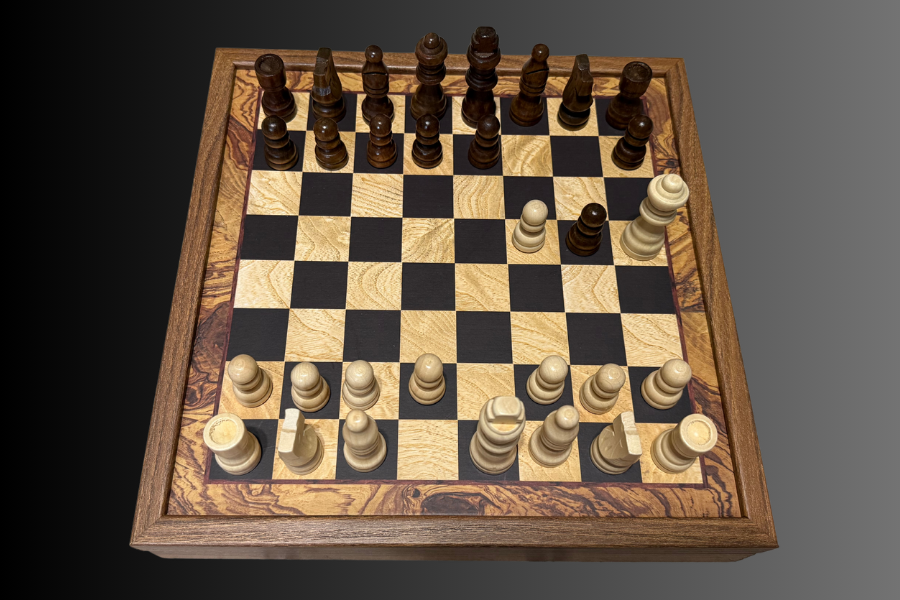
Three-Move Checkmate
For this three-move checkmate, you will be playing as White. The goal is to clear a path for your queen while Black moves the pawns protecting their king.
The complete sequence is:
1. e4 f52. exf5 g53. Qh5#
The # symbol means checkmate.
Let's break down each move.
Move 1: Move Your King Pawn to e4
White begins by moving the pawn in front of the king forward two spaces from e2 to e4.
1. e4
This is a common opening move in chess. It controls the center of the board while also opening a diagonal for the queen.
For the three-move checkmate to work, Black needs to respond by moving the pawn from f7 to f5.
1. f5
This is the first mistake. The f7 pawn is important because it helps protect the black king. Moving it forward creates a weakness that White can attack.
Move 2: Capture the Pawn on f5
White now moves the pawn from e4 diagonally to f5, capturing Black's pawn.
2. exf5
This removes the f7 pawn completely from the diagonal leading toward Black's king.
Black then needs to make another mistake by moving the pawn from g7 to g5.
2. g5
With both the f-pawn and g-pawn moved away from their starting positions, Black's king is now extremely vulnerable.
White can finish the game with the queen.
Move 3: Move Your Queen to h5
Move the white queen diagonally from d1 to h5.
3. Qh5#
This puts the black king in check.
More importantly, Black has no legal move that can stop the attack. The king cannot escape, the queen cannot be captured, and no piece can block the attack.
Checkmate! White wins the game in three moves.
Why Does the Three-Move Checkmate Work?
At the beginning of a chess game, the king is protected by several pieces and pawns. One particularly important pawn is the pawn on f7 for Black, or f2 for White.
When Black moves the f7 pawn, the diagonal running from h5 to e8 becomes vulnerable. Moving the g7 pawn makes the king's position even weaker.
White's queen can then move to h5 and attack the king along this open diagonal.
The three-move checkmate is possible because Black has weakened the king without developing pieces that could defend it.
Another Way to Checkmate in Three Moves
There is another version of the three-move checkmate that does not require White to capture a pawn.
One possible sequence is:
1. d3 f62. e4 g53. Qh5#
White first moves the pawn from d2 to d3. Black responds by moving the f7 pawn to f6.
White then moves the e2 pawn to e4, opening the diagonal between the queen and h5. If Black follows with g7 to g5, the queen can once again move to h5 for checkmate.
3. Qh5#
The basic idea is the same: Black moves the pawns protecting the king, allowing White's queen to attack along the h5-e8 diagonal.
Can You Always Win Chess in Three Moves?
No. There is no strategy that guarantees a win in three moves from the normal starting position.
The three-move checkmate only works if your opponent makes the necessary mistakes. An experienced player is unlikely to move the pawns in front of the king in this way.
If Black makes a different move at any point, do not continue moving pieces simply because they were part of the three-move strategy. Instead, continue playing normal chess by controlling the center, developing your pieces, and getting your king to safety.
Think of the three-move checkmate as an opportunity to recognize rather than an opening you can force.
How to Avoid Losing in Three Moves
Knowing this checkmate is useful even if you never use it yourself because it teaches an important lesson about king safety.
Early in the game, be careful when moving the pawns directly in front of your king. In particular, moving the f-pawn can expose diagonals leading toward your king.
Before making an early pawn move, look at what lines it might open for your opponent's queen or bishop.
Following a few basic opening principles will also make quick checkmates much less likely:
Control the center of the board.
Develop your knights and bishops.
Avoid making unnecessary pawn moves around your king.
Castle to help protect your king.
Pay attention whenever your opponent's queen moves toward your side of the board.
Three-Move Checkmate vs. Fool's Mate
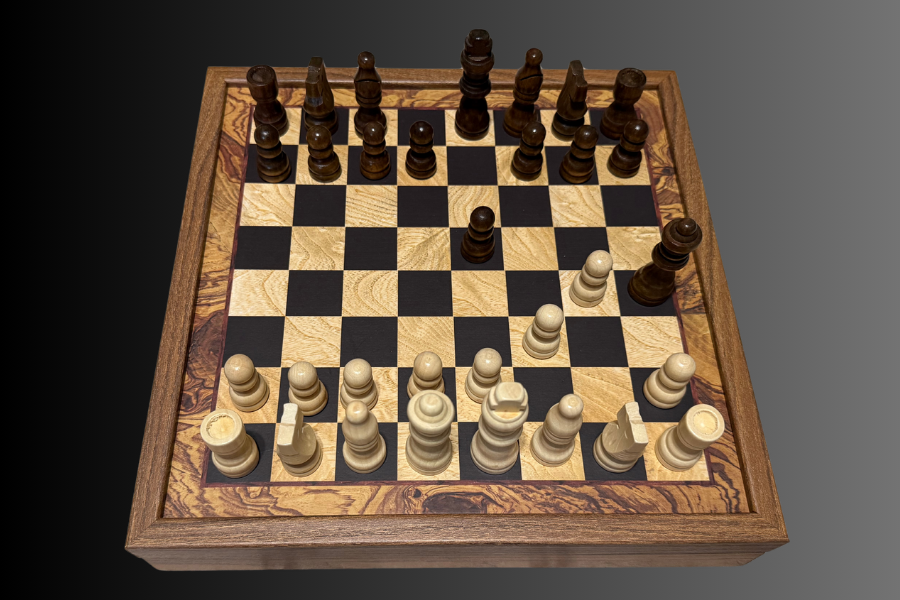
Interestingly, three moves isn't even the fastest possible checkmate in chess.
The Fool's Mate allows Black to checkmate White after only two moves:
1. f3 e5 2. g4 Qh4#
Like the three-move checkmate, Fool's Mate requires one player to make serious mistakes with the pawns protecting their king.
Both patterns demonstrate why moving the f-pawn and g-pawn early in a game can be dangerous.
What Can You Learn From the Three-Move Checkmate?
You probably won't win many games using this exact sequence. Once players understand the threat, it is easy to avoid.
The pattern is still worth learning because it demonstrates several fundamental chess concepts.
First, king safety matters from the very beginning of the game. Pawn moves can permanently open attacking lines toward your king.
Second, look for open diagonals. Bishops and queens become much more powerful when pawns move out of their way.
Finally, always consider what your opponent is threatening. If a queen suddenly appears near your king, take a moment to determine whether there is an immediate checkmate threat before making your next move.
Gather Together with Chess
The three-move checkmate is one of the quickest ways a chess game can end, but it requires your opponent to make some very specific mistakes. Start with e4, capture the f5 pawn if given the opportunity, and watch for the open diagonal that allows your queen to move to h5 for checkmate.
Even if you never get the chance to win chess in three moves, understanding why the strategy works will help you recognize threats, protect your king, and become a stronger chess player.